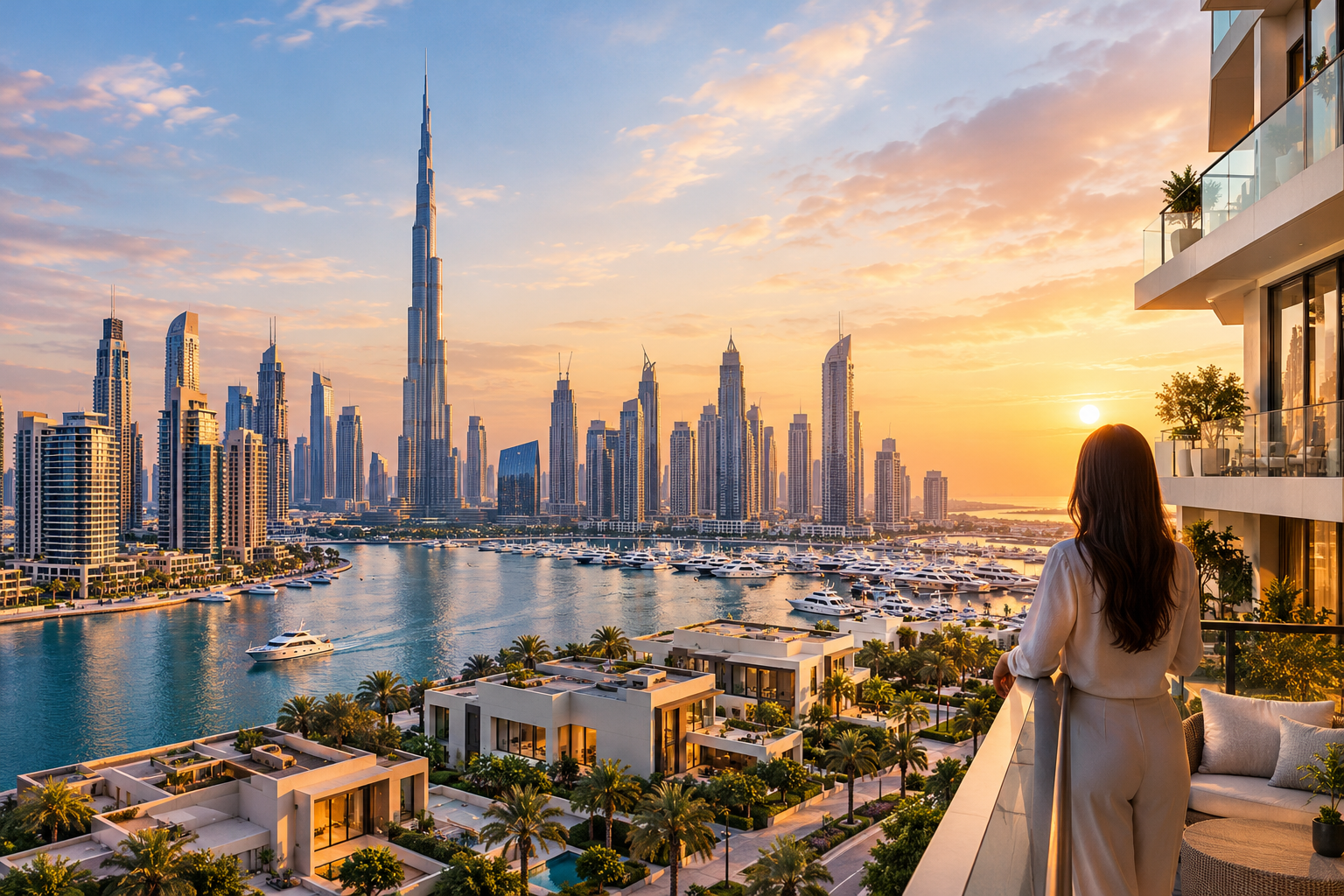
UAE Real Estate Market 2027: Best Property Investment Opportunities in Dubai, Abu Dhabi, and Sharjah
Introduction: Exploring the Future of UAE Real Estate in 2027
The United Arab Emirates (UAE) has established itself as one of the Middle East’s most recognizable destinations for residential living, international business, tourism, and real estate investment. Its modern infrastructure, diverse communities, and continuing urban development have attracted homebuyers, property investors, and international residents looking for new opportunities.
As the UAE approaches 2027, interest in the property market is expected to remain an important topic for buyers and investors. From luxury apartments overlooking Dubai Marina to family villas in Abu Dhabi and residential communities in Sharjah, the country offers a wide selection of properties designed for different lifestyles and financial goals.
However, understanding the real estate market requires more than identifying attractive buildings or popular locations. Buyers must consider property prices, rental demand, ownership regulations, financing costs, and the long-term suitability of each investment.
Whether you are planning to purchase your first home, invest in a rental apartment, or explore opportunities in the UAE property market, understanding the characteristics of different emirates can help you make a more informed decision.
Why the UAE Real Estate Market Attracts International Buyers
The UAE offers several characteristics that make its real estate market attractive to international buyers. These include modern transportation networks, established commercial districts, residential developments, shopping facilities, healthcare services, and a wide variety of lifestyle options.
Dubai has developed into an international business and tourism destination, while Abu Dhabi combines economic activity with cultural attractions and established residential communities. Sharjah provides additional housing options for people seeking different price points and living environments.
Another important consideration is the variety of available properties. Buyers can explore apartments, townhouses, detached villas, waterfront residences, and commercial spaces. This diversity allows individuals to compare opportunities based on their budgets and intended use.
Some buyers prioritize a comfortable home close to their workplace. Others focus on rental income, potential resale opportunities, or long-term ownership. These objectives can lead to very different purchasing decisions.
Nevertheless, the popularity of the UAE should not be interpreted as a guarantee of investment success. Property values can fluctuate, rental markets can become more competitive, and additional costs can affect profitability. Careful research remains essential.
Dubai Real Estate Market 2027: Opportunities Across Different Communities
Dubai continues to attract considerable attention from international property buyers because of its business environment, tourism industry, modern infrastructure, and range of residential developments.
The city’s real estate market includes established premium districts, family-oriented communities, waterfront developments, and emerging residential areas. Each offers different advantages, and the right choice depends on the buyer’s priorities.
Downtown Dubai is known for its prominent skyline, retail destinations, restaurants, and proximity to major commercial attractions. Properties in this area may appeal to buyers seeking a central urban lifestyle. However, purchase prices and ongoing ownership expenses can be higher than those in some other districts.
Dubai Marina attracts people interested in waterfront living, apartment communities, restaurants, and access to leisure facilities. Its residential environment may appeal to professionals and individuals seeking convenient access to lifestyle amenities.
Business Bay offers a mixture of residential and commercial properties near important business districts. Buyers may consider the area when comparing accessibility, building facilities, rental demand, and proximity to employment centers.
Jumeirah Village Circle has attracted attention from buyers exploring apartment buildings, townhouses, and community-oriented residential options. Depending on the individual property, it may provide alternatives to some of Dubai’s more expensive central locations.
Dubai South is another area worth researching because of its broader development plans and proximity to important transport and logistics infrastructure. However, investors should evaluate actual infrastructure availability, travel times, occupancy levels, and local demand rather than relying solely on future development expectations.
In 2027, prospective buyers should compare properties using realistic financial calculations. A desirable location does not automatically make every apartment a profitable investment. Building quality, service charges, purchase prices, and competition from nearby properties can all influence the final outcome.
Abu Dhabi Property Market: Modern Living and Long-Term Opportunities
Abu Dhabi offers a different real estate environment, combining residential communities, government and business districts, cultural attractions, and major infrastructure projects.
The capital provides options for families, professionals, and investors interested in apartments, villas, and properties within planned residential communities.
Yas Island is recognized for its entertainment facilities, leisure attractions, and residential developments. Buyers considering the area may appreciate its lifestyle amenities, although the suitability of an individual property depends on its price, location, and intended use.
Saadiyat Island attracts attention for its cultural destinations, waterfront surroundings, and premium residential developments. Properties in this area may appeal to buyers seeking a higher-end lifestyle, but affordability and ongoing ownership costs should be assessed carefully.
Al Reem Island offers apartment communities with access to urban services and waterfront surroundings. Prospective buyers can compare different buildings according to their facilities, maintenance arrangements, transport connections, and rental potential.
One advantage of researching Abu Dhabi is the opportunity to compare different types of residential environments within the same emirate. Some buyers may prefer established urban communities, while others may prioritize quieter residential surroundings.
Before purchasing, buyers should evaluate the intended holding period, expected maintenance expenses, potential rental demand, and resale considerations. Ownership eligibility and applicable property regulations must also be verified for the specific location and transaction.
Sharjah Real Estate: Residential Choices for Different Budgets
Sharjah is an important option for buyers who want to explore residential properties outside Dubai and Abu Dhabi. The emirate offers a variety of apartments, villas, and residential communities with different price levels and facilities.
For many households, affordability is only one part of the decision. Access to schools, supermarkets, healthcare facilities, parks, and employment opportunities can significantly affect the practicality of a property.
Some residents consider Sharjah because they work in or travel regularly to Dubai but prefer to compare housing costs in neighboring communities. However, commuting expenses and travel time can influence the overall financial benefit.
Investors should also examine the characteristics of the local rental market. A property with a relatively low purchase price may still deliver disappointing results if demand is weak, vacancy periods are lengthy, or maintenance costs are high.
Comparing Sharjah with other emirates requires a comprehensive view of both financial and lifestyle considerations. The most suitable property is one that meets the buyer’s needs without creating unnecessary financial pressure.
UAE Property Market Trends to Watch in 2027
Several trends may influence property searches and investment decisions in 2027. Although future market conditions cannot be predicted with certainty, understanding these developments can help buyers identify the questions they should investigate.
One area of interest is the continued development of integrated residential communities. These projects may combine housing with retail facilities, parks, recreational areas, and everyday services. Such amenities can improve convenience for residents, although their value depends on actual demand and accessibility.
Energy-efficient buildings may also attract attention as buyers consider electricity consumption, building design, and long-term maintenance. Features such as efficient cooling systems, improved insulation, and water-saving technologies may contribute to lower operating expenses, depending on the property.
Rental housing remains another area worth monitoring. The potential performance of a rental property depends on local employment conditions, population movements, competing supply, tenant preferences, and the relationship between purchase prices and achievable rents.
Luxury real estate may continue to attract buyers seeking premium locations, larger living spaces, and distinctive amenities. Nevertheless, high-value properties can require substantial capital and may appeal to a narrower group of potential tenants or buyers.
Emerging residential districts may provide opportunities for buyers willing to research developing communities. However, planned infrastructure and proposed projects should be distinguished from facilities that are already operating. Construction delays, changes in demand, and additional housing supply can affect investment outcomes.
Ultimately, the most useful approach is to examine individual properties using current market information rather than assuming that every segment will experience the same growth.
How to Choose the Right Property in the UAE
Selecting the right property begins with a clear understanding of personal goals. Someone buying a family home may prioritize space, schools, safety, and daily convenience. An investor seeking rental income may focus on tenant demand, maintenance expenses, and achievable rental rates.
The first step is to establish a realistic budget. Buyers should calculate the total cost of purchasing and owning the property rather than focusing exclusively on the advertised price.
Additional expenses may include applicable registration fees, agency commissions, mortgage-related charges, service charges, insurance, maintenance, and furnishing costs. The exact expenses depend on the transaction and the property.
The second step is to research the location. Visit the surrounding area when possible and evaluate transport connections, nearby construction, available amenities, and access to workplaces. For rental investments, investigate comparable properties and realistic rents in the same community.
The third step is to examine the property itself. Building quality, maintenance history, layout, available facilities, and management arrangements can influence both everyday living and future ownership expenses.
Buyers should also review the legal documents carefully. Ownership rights, payment schedules, contractual obligations, and applicable restrictions should be understood before any agreement is signed.
For properties under construction, confirm the project’s official status, developer credentials, expected completion date, and applicable buyer protections. Independent legal advice may be helpful when the transaction involves substantial financial commitments.
Understanding Rental Income and Property Investment Risks
Rental income is an important consideration for many UAE property investors. However, advertised rental yields do not always reflect the amount an owner ultimately receives.
A useful starting point is gross rental yield, which compares annual rental income with the property’s purchase price. For example, a property purchased for AED 1,000,000 and rented for AED 70,000 annually would have a gross rental yield of 7%.
This calculation does not account for service charges, repairs, management fees, insurance, vacancy periods, financing expenses, or other costs. The net return may therefore be significantly lower.
Investors should also consider whether rental estimates are supported by actual market evidence. A high asking rent does not necessarily mean tenants will agree to pay that amount.
Another risk involves changes in property supply. If many similar apartments become available in the same neighborhood, landlords may face greater competition or need to adjust rental prices.
Financing conditions can also affect investment performance. Mortgage interest rates, loan eligibility, repayment schedules, and changes in personal income may influence affordability.
A balanced investment strategy considers several possible outcomes, including lower rental income, unexpected repairs, delayed occupancy, and slower resale activity. Maintaining an appropriate financial reserve can help property owners manage unforeseen expenses.
Property Ownership Rules and Legal Considerations
International buyers should understand that property ownership rules in the UAE vary by emirate and location. Foreign ownership is permitted in designated areas under applicable rules, but eligibility and ownership structures must be confirmed for the specific property.
Before transferring money or signing a purchase agreement, buyers should verify the property’s registration status and the identity of the seller or developer. Transactions should follow the procedures established by the relevant land department or other competent authority.
For off-plan purchases, buyers should review payment arrangements, project registration, escrow requirements where applicable, construction milestones, and contractual provisions concerning delays or changes.
It is also important to understand service charges and building management responsibilities. These recurring expenses can influence the affordability of an apartment or villa over several years.
Buyers should avoid making decisions based solely on verbal promises, social media advertisements, or claims of guaranteed returns. Important representations should be documented and independently verified.
Working with appropriately licensed professionals can help buyers understand the transaction, although professional involvement does not eliminate investment risk.
Is Investing in UAE Real Estate in 2027 a Good Decision?
Whether UAE real estate is a suitable investment in 2027 depends on the buyer’s financial circumstances, objectives, and tolerance for risk.
For some buyers, purchasing a home may provide stability and a place to live that meets their family’s needs. For others, rental property may form part of a broader investment strategy.
However, real estate requires substantial capital and is generally less liquid than cash or publicly traded investments. Selling a property can take time, and transaction expenses can reduce the proceeds received.
Investors should also consider the possibility that property prices may decline or remain unchanged for an extended period. Rental income may fluctuate, and maintenance expenses can be unpredictable.
Before committing to a purchase, compare the expected benefits with alternative uses of the same money. Avoid borrowing more than you can comfortably afford, and do not depend on optimistic rental forecasts to meet essential financial obligations.
A property investment becomes more compelling when its price, location, condition, ownership costs, and realistic income potential align with a clearly defined financial plan.
Conclusion: Preparing for UAE Real Estate Opportunities in 2027
The UAE real estate market offers a wide range of residential and investment possibilities across Dubai, Abu Dhabi, and Sharjah. From luxury waterfront apartments to family villas and more affordable residential communities, buyers can explore properties suited to different budgets and lifestyles.
As 2027 approaches, understanding local market conditions will remain essential. Investors should pay attention to purchase prices, rental demand, infrastructure, ownership regulations, financing costs, and the quality of individual developments.
Dubai may appeal to buyers seeking established business and lifestyle districts. Abu Dhabi offers a diverse combination of residential communities and urban developments, while Sharjah provides additional options for people comparing housing costs and everyday convenience.
Nevertheless, no emirate or property category guarantees financial success. Market conditions can change, and individual properties can perform differently even within the same neighborhood.
The best approach is to conduct thorough research, calculate total ownership costs, verify legal documentation, and seek qualified professional advice when necessary.
For buyers and investors considering the UAE property market in 2027, informed decisions are more valuable than promises of quick profits. By focusing on realistic expectations, financial preparation, and long-term suitability, prospective owners can evaluate opportunities with greater confidence and make decisions that support their personal and financial goals.